

Dai luoghi dell'antichità alle infrastrutture del digitale
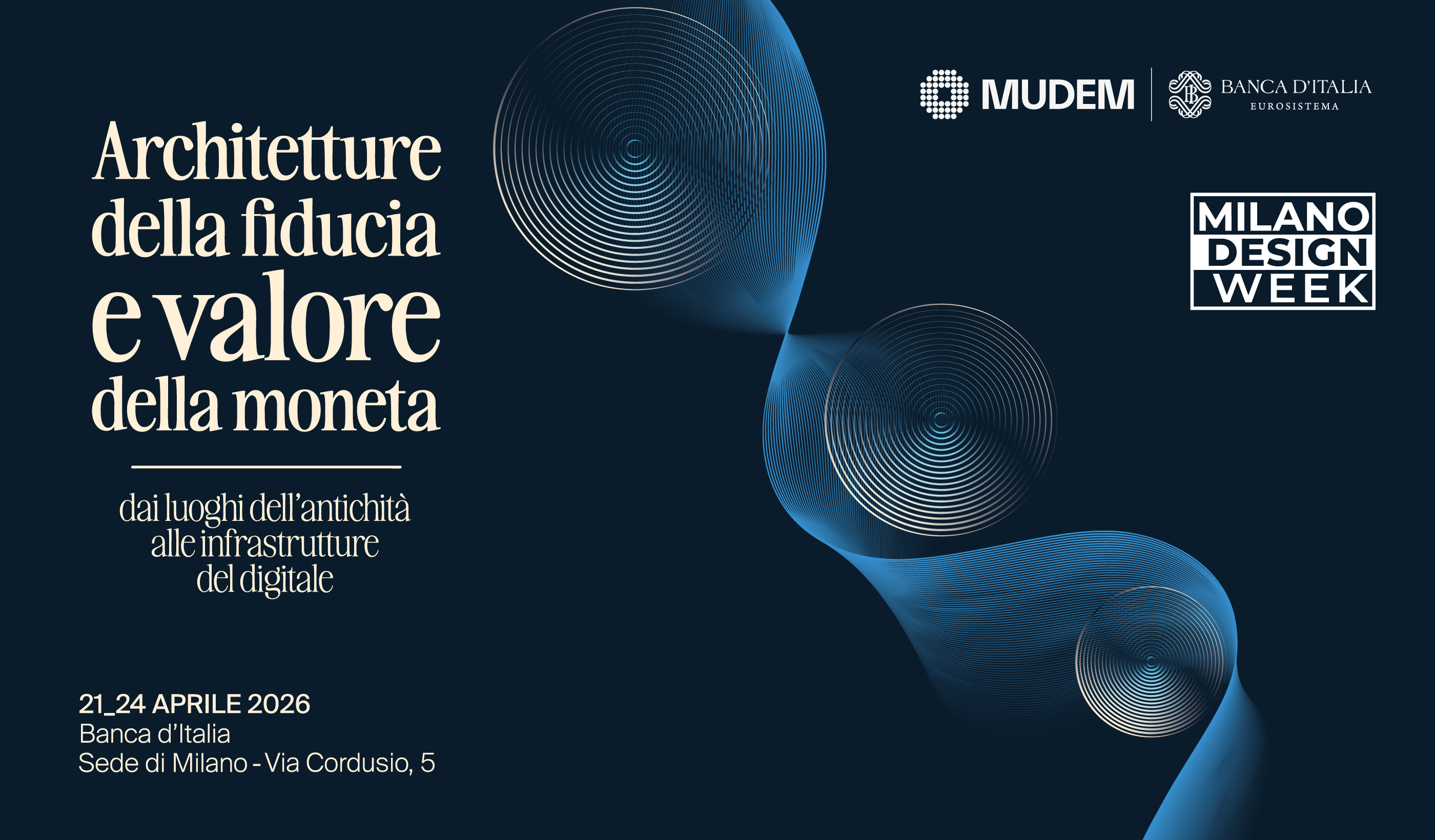
In occasione della Milano Design Week, la Sede di Milano della Banca d'Italia ospita "Architetture della fiducia e valore della moneta", una mostra fotografica realizzata in collaborazione con il MUDEM. L'esposizione, visitabile presso il Salone del pubblico nelle mattine dal 21 al 24 aprile, propone un percorso visivo e concettuale che ripercorre la storia della moneta attraverso le architetture destinate a emetterla, custodirla e governarla.
Dalla monumentalità della pietra dei templi antichi alla trasparenza del vetro dei grattacieli contemporanei, le immagini raccontano il dialogo costante tra stabilità e apertura, due principi fondamentali di quella che può essere definita una vera e propria "infrastruttura della fiducia".
La mostra prende avvio da un'idea chiave: la moneta non è soltanto uno strumento economico, ma anche una costruzione materiale e simbolica, che si manifesta nello spazio attraverso edifici e luoghi progettati per rendere visibile e credibile ciò che, per sua natura, è immateriale, il valore.
Il percorso attraversa epoche e civiltà, ricostruendo una genealogia architettonica della moneta. Si parte dai complessi architettonici dominati dagli ziggurat mesopotamici, custodi dei primi documenti finanziari della storia, dai templi greci e dalla zecca romana, dove la moneta diventa strumento di identità politica e rappresentazione del potere. Si prosegue con i banchi italiani del Medioevo, i banchi pubblici del tardo Rinascimento e con i caffè inglesi, spazi informali in cui nascono i primi mercati e le borse valori.
Con la rivoluzione industriale emergono nuovi luoghi simbolici della finanza, come le grandi stazioni ferroviarie, che incarnano l'intreccio tra mobilità, capitale e modernità. Nell'epoca del gold standard, il caveau diventa invece il cuore architettonico della stabilità monetaria, spazio fisico in cui il valore è letteralmente custodito. Il percorso approda infine alla banca centrale contemporanea, dove il fondamento della moneta non è più materiale ma fiduciario, dedicando un focus specifico a Palazzo Koch, sede della Banca d'Italia a Roma, e alla Sede di Milano.
Pannelli, fotografie e disegni progettuali presentano i due luoghi emblematici della presenza dell'Istituto in città: l'edificio storico di Piazza Cordusio e la sede di Via Moneta, costruita negli anni Novanta. Entrambi sono inseriti nel loro contesto storico, economico e urbanistico, mettendo in luce come le forme architettoniche - solide, monumentali e ispirate alla tradizione classica - traducano in pietra i principi di stabilità, continuità e fiducia.
La narrazione si chiude con le architetture della Banca Centrale Europea, dalla Eurotower al nuovo grattacielo di Francoforte, dove il linguaggio architettonico si trasforma radicalmente: la monumentalità lascia spazio a trasparenza, leggerezza e permeabilità visiva, riflettendo il ruolo delle banche centrali nel mondo di oggi.
Orario
dal 21 al 24 aprile dalle 8.30 alle 13.00


