
Villa Hüffer, l'edificio che ospiterà il Museo della Moneta, fu realizzato tra l'aprile del 1880 e il febbraio del 1883 dall'imprenditore tedesco Wilhelm Hüffer (1821-1895) che, dopo lo scoppio della guerra franco-prussiana, con la moglie Costanza Grabau, decise di abbandonare Parigi per stabilirsi a Roma.
Lungo via Nazionale, sui terreni acquistati nel 1879, l'uomo d'affari fece costruire la sua residenza capitolina, incaricando del progetto l'architetto francese Jules Antoine Francois Auguste Pellechet (1829-1903), che la realizzò in stile neoclassico. La Villa, arredata dai migliori artigiani ed ebanisti di Parigi, era impreziosita da un parco disegnato da Édouard André (1840-1911), uno dei principali architetti del paesaggio, noto per aver progettato i parchi urbani di Monte Carlo, tra cui i giardini del Casinò di Monaco e gli spazi pubblici di Montevideo alla fine del XIX secolo.
Negli ultimi decenni dell'Ottocento e in piena Belle Époque, la Villa divenne celebre per gli intrattenimenti danzanti, ospitati nello splendido salone delle feste e offerti dalla moglie di Hüffer alla nobiltà romana. Tra i protagonisti di tali eventi, Gabriele D'Annunzio così descrive la Villa in un articolo del 1885: All'entrare, un ampio atrio marmoreo biancheggia e splende, avendo sul lato sinistro la camera da studio del signor Hüffer e sul davanti una scala marmorea che piegasi in due rami agilmente.
Uno dei due rami portava alle sale collocate al primo piano decorate da Annibale Brugnoli (1843-1915), pittore perugino tra i più stimati dell'epoca, celebre per aver rappresentato soggetti di carattere mitologico e musicale.
Il soffitto del salone delle feste, in particolare, fu riccamente decorato con stucchi e, ancora oggi, presenta un grande ovale a tempera ottimamente conservato, affrescato dal Brugnoli, raffigurante l'allegoria della Primavera. Gli affreschi ritraggono soprattutto ninfe e putti che suonano strumenti musicali, mentre sulla volta compaiono fanciulle danzanti.
Anche le pareti della sala furono decorate con ricchissimi stucchi e lesene corinzie, putti, vasi, ghirlande e festoni. Un grande lampadario di bronzo pendeva dal soffitto, mentre il pavimento fu realizzato in marmi policromi.
In attesa dell'apertura della Villa, sfoglia gli scatti realizzati nel corso dei lavori di restauro e scopri l'eleganza del salone delle feste!
Il salone delle feste: il cuore di Villa Hüffer in restauro
-
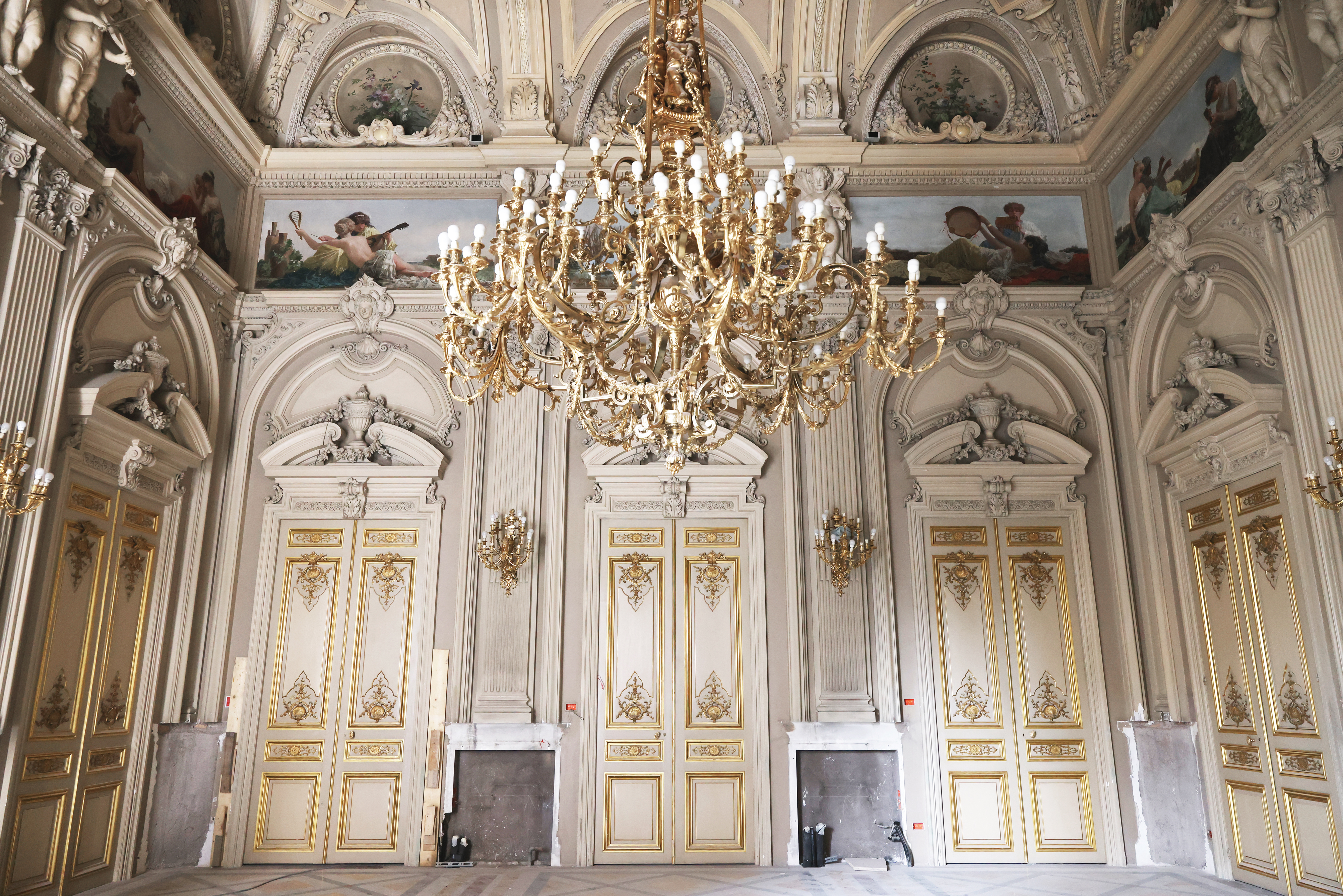 Parete d'ingresso. Salone delle feste - Villa Hüffer
 -
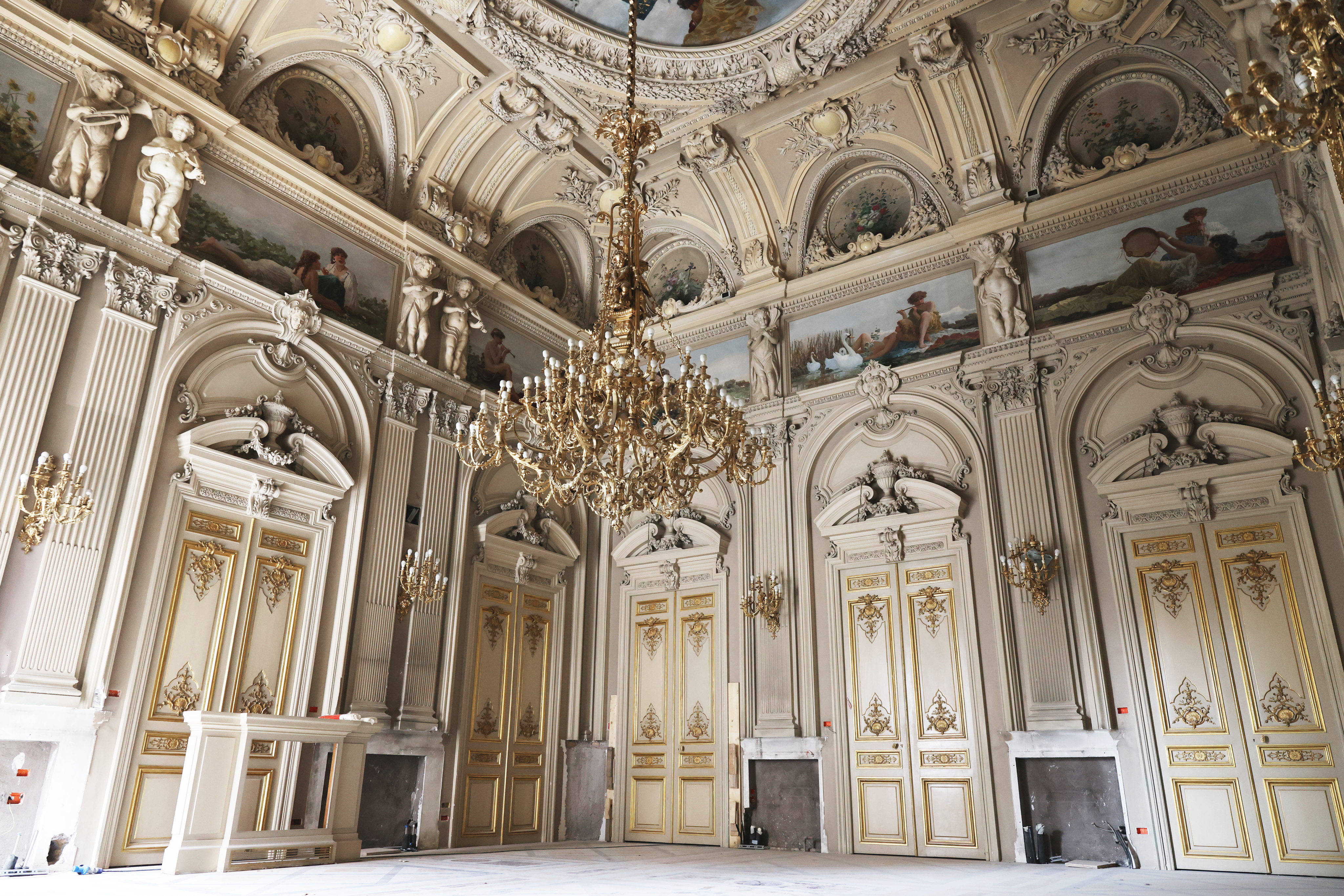 Angolo della parete d'ingresso. Salone delle feste - Villa Hüffer
 -
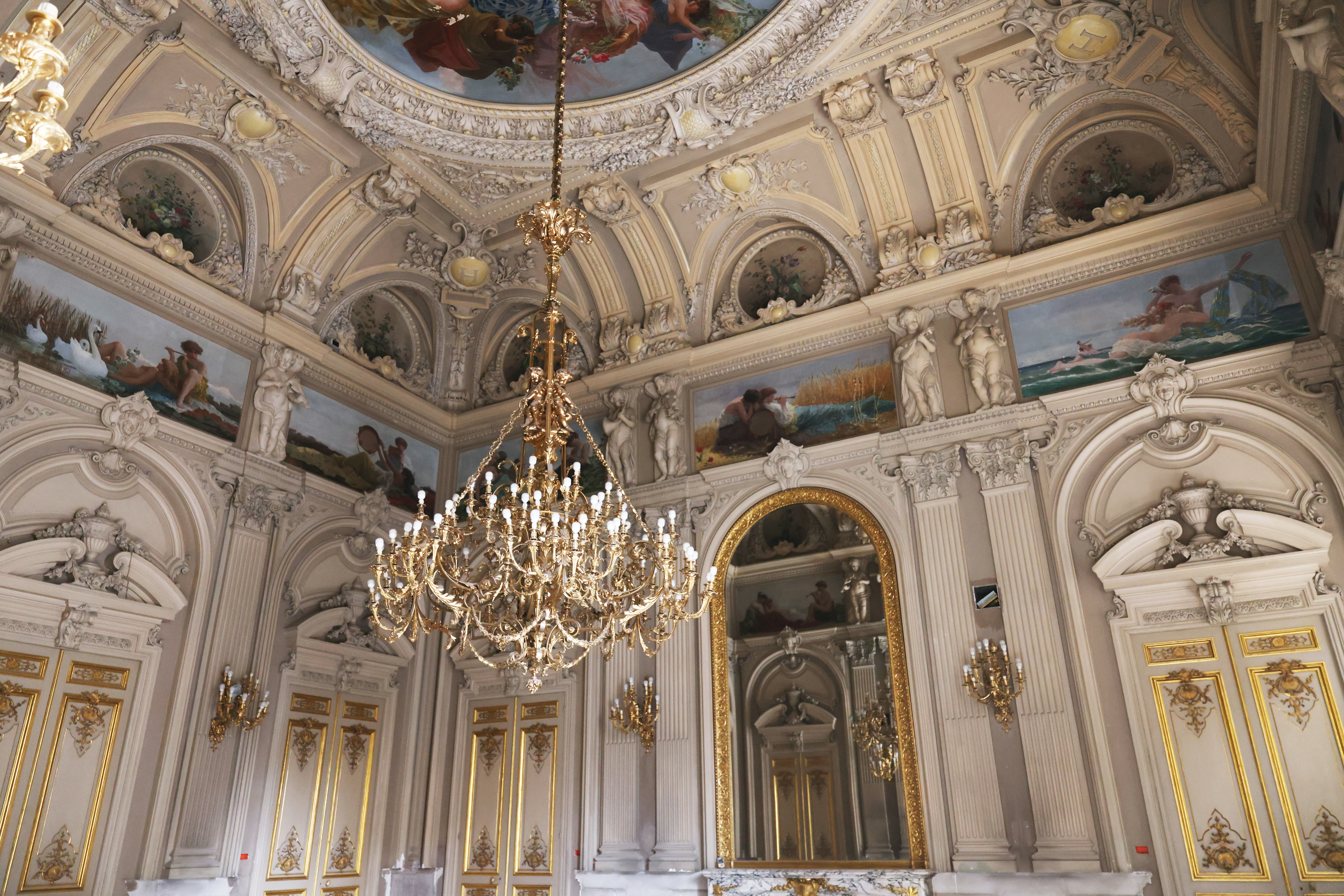 Angolo parete con specchiera. Salone delle feste - Villa Hüffer
 -
 Annibale Brugnoli, Decorazioni del soffitto. Salone delle feste - Villa Hüffer
 -
 Annibale Brugnoli, Allegoria della Primavera. Ovale, soffitto del salone delle feste - Villa Hüffer
 -
 Annibale Brugnoli, Decorazioni per il salone delle feste. Parete d'ingresso - Villa Hüffer
 -
 Annibale Brugnoli, Decorazioni per il salone delle feste. Dettaglio parete d'ingresso - Villa Hüffer
 -
 Annibale Brugnoli, Decorazioni per il salone delle feste. Parete con specchiera - Villa Hüffer
 -
 Annibale Brugnoli, Decorazioni per il salone delle feste. Dettaglio parete con specchiera - Villa Hüffer
 -
 Annibale Brugnoli, Decorazioni per il salone delle feste. Parete destra - Villa Hüffer
 -
 Annibale Brugnoli, Decorazioni per il salone delle feste. Dettaglio parete destra - Villa Hüffer
 -
 Annibale Brugnoli, Decorazioni per il salone delle feste. Parete con finestre - Villa Hüffer
 -
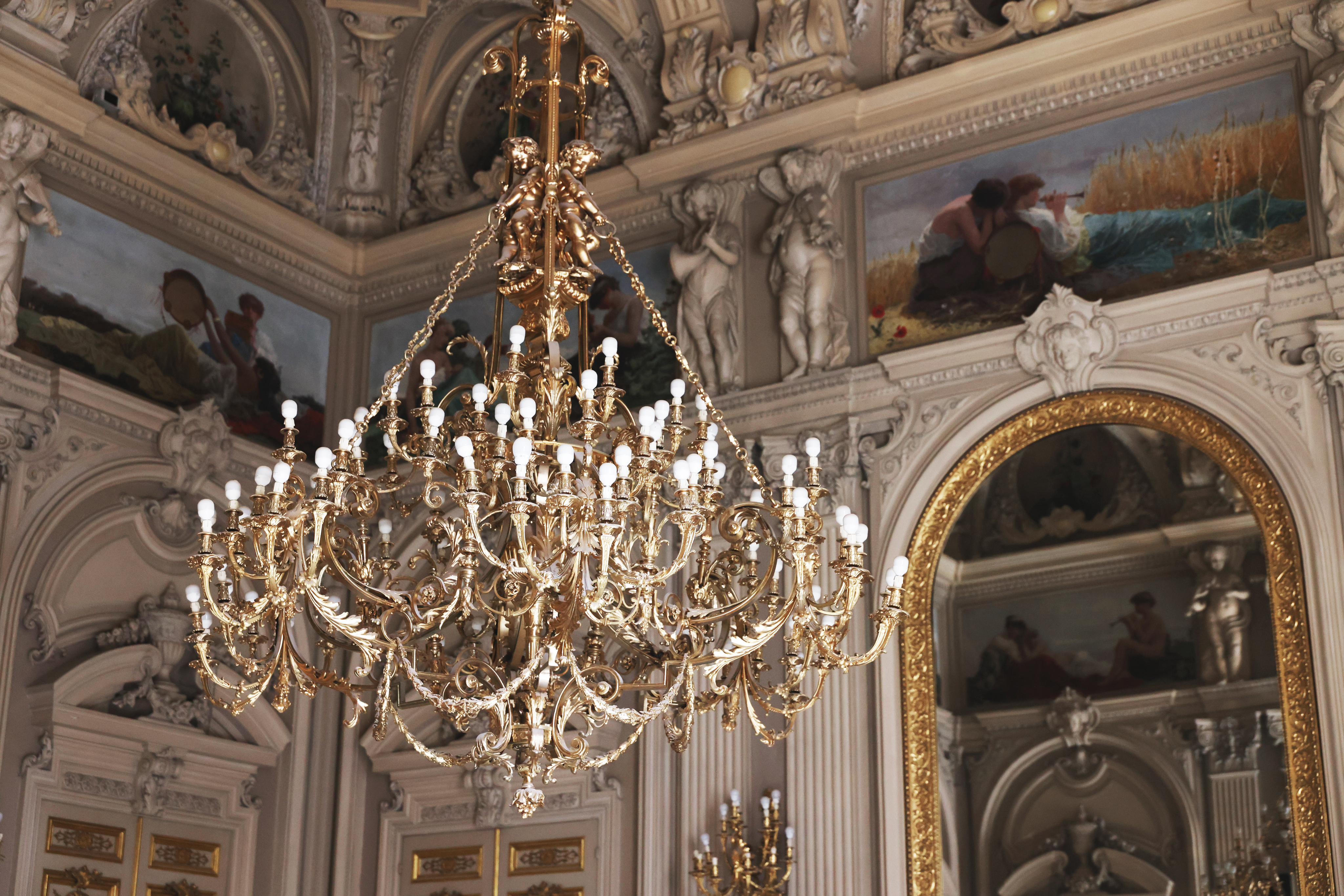 Lampadario - Salone delle feste Villa Hüffer
 -
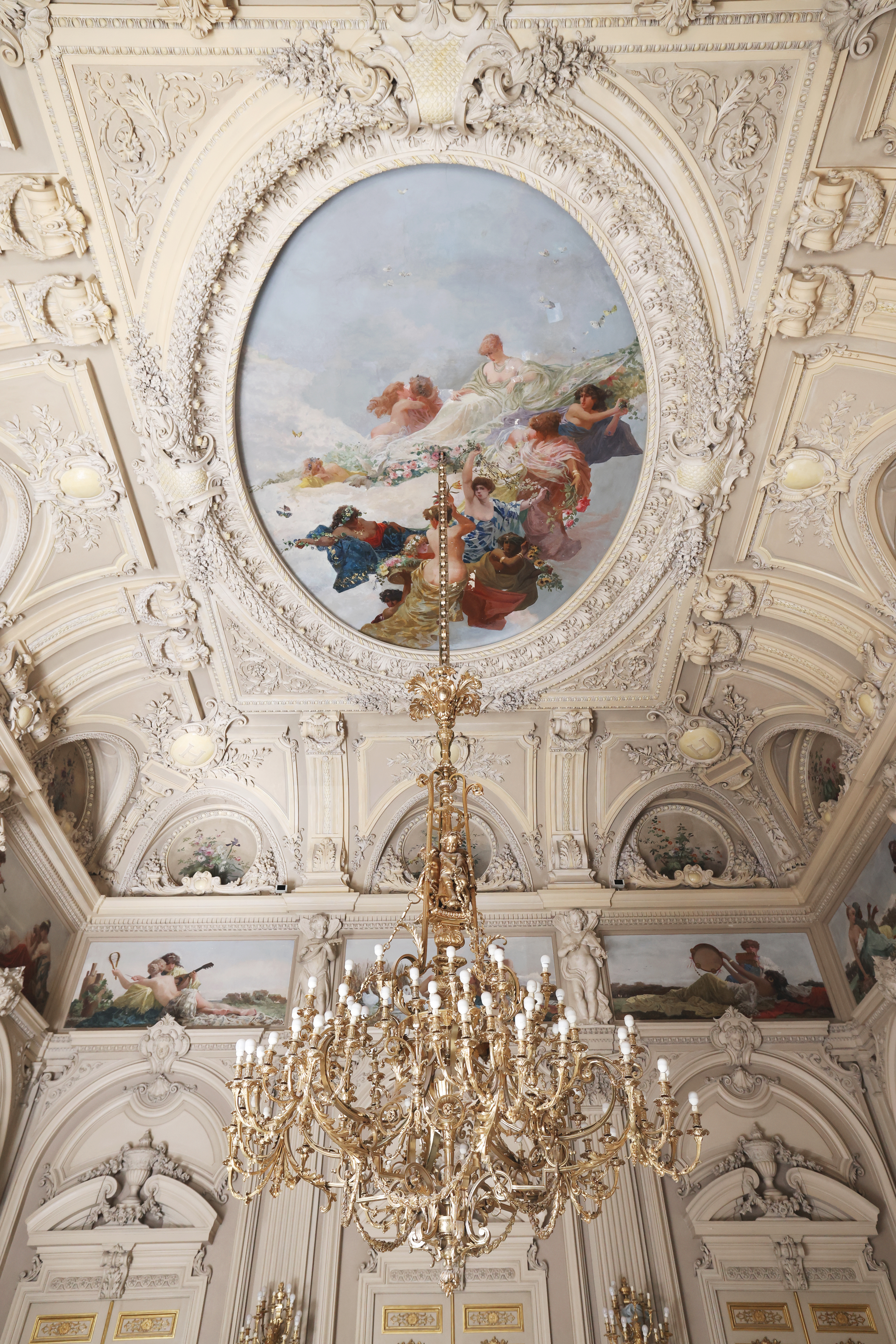 Annibale Brugnoli, Allegoria della Primavera - Ovale, soffitto del salone delle feste - Villa Hüffer
 -
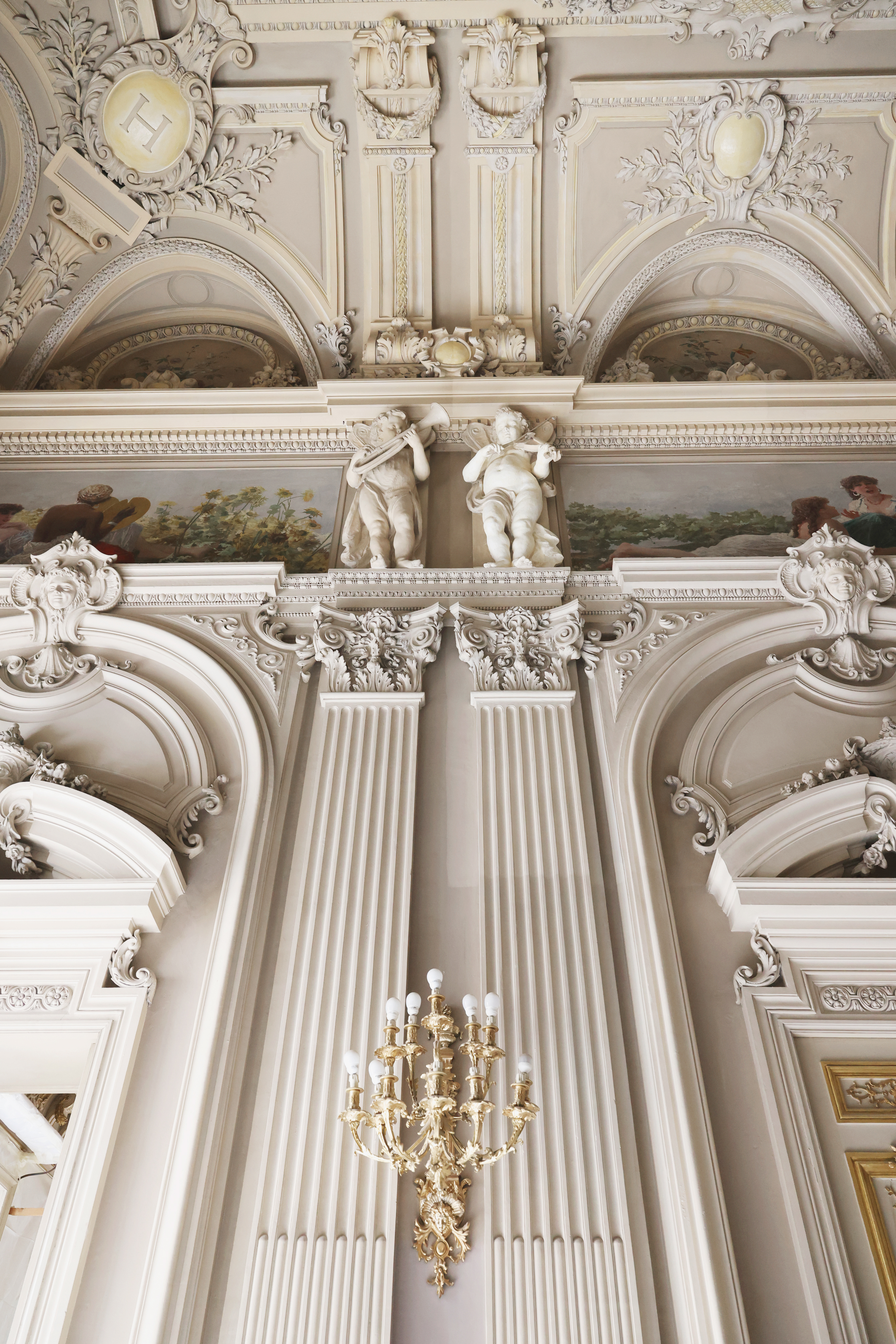 Decorazioni per il salone delle feste - Villa Hüffer
 -
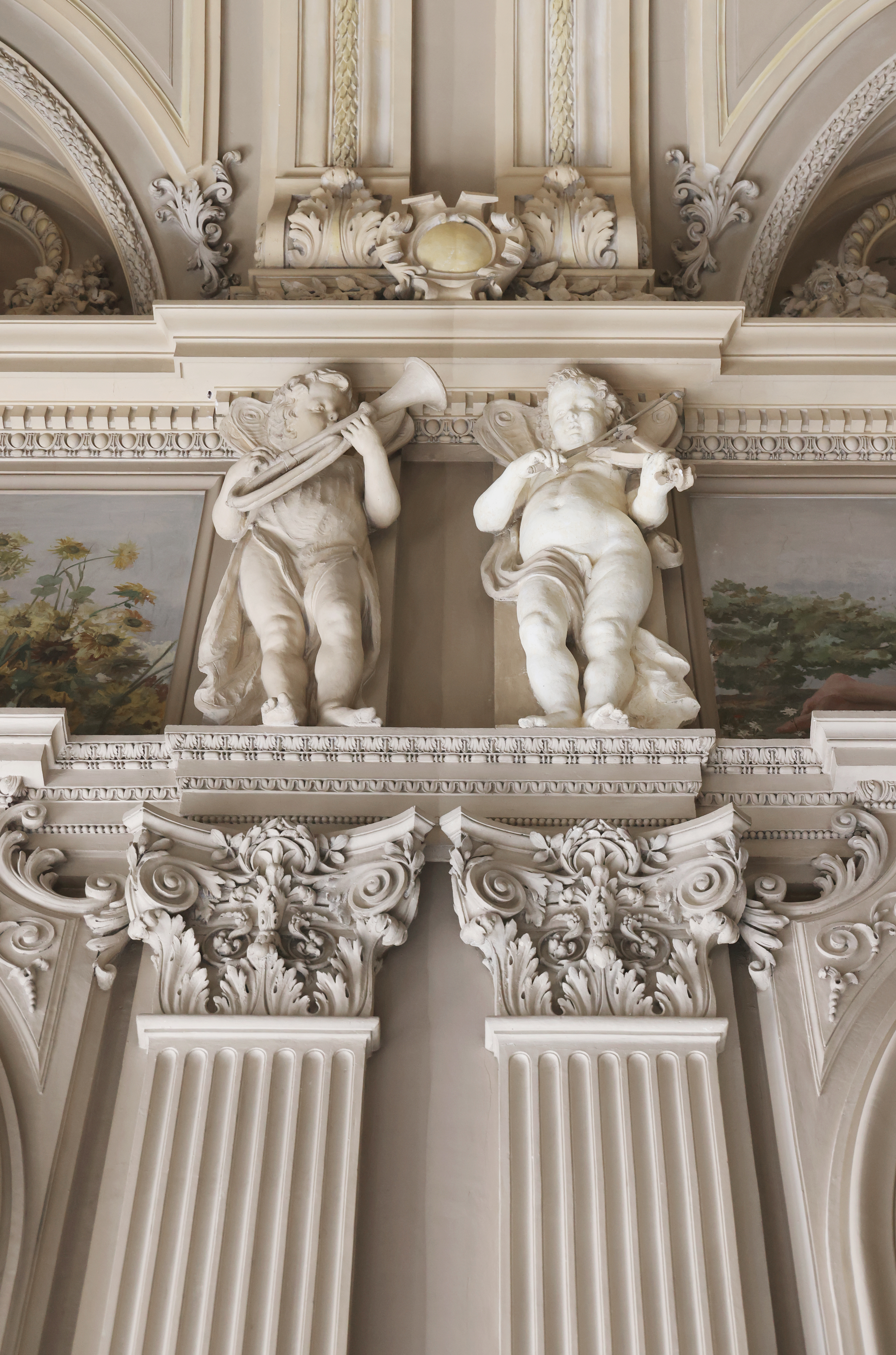 Decorazioni per il salone delle feste - Putti - Villa Hüffer
 -
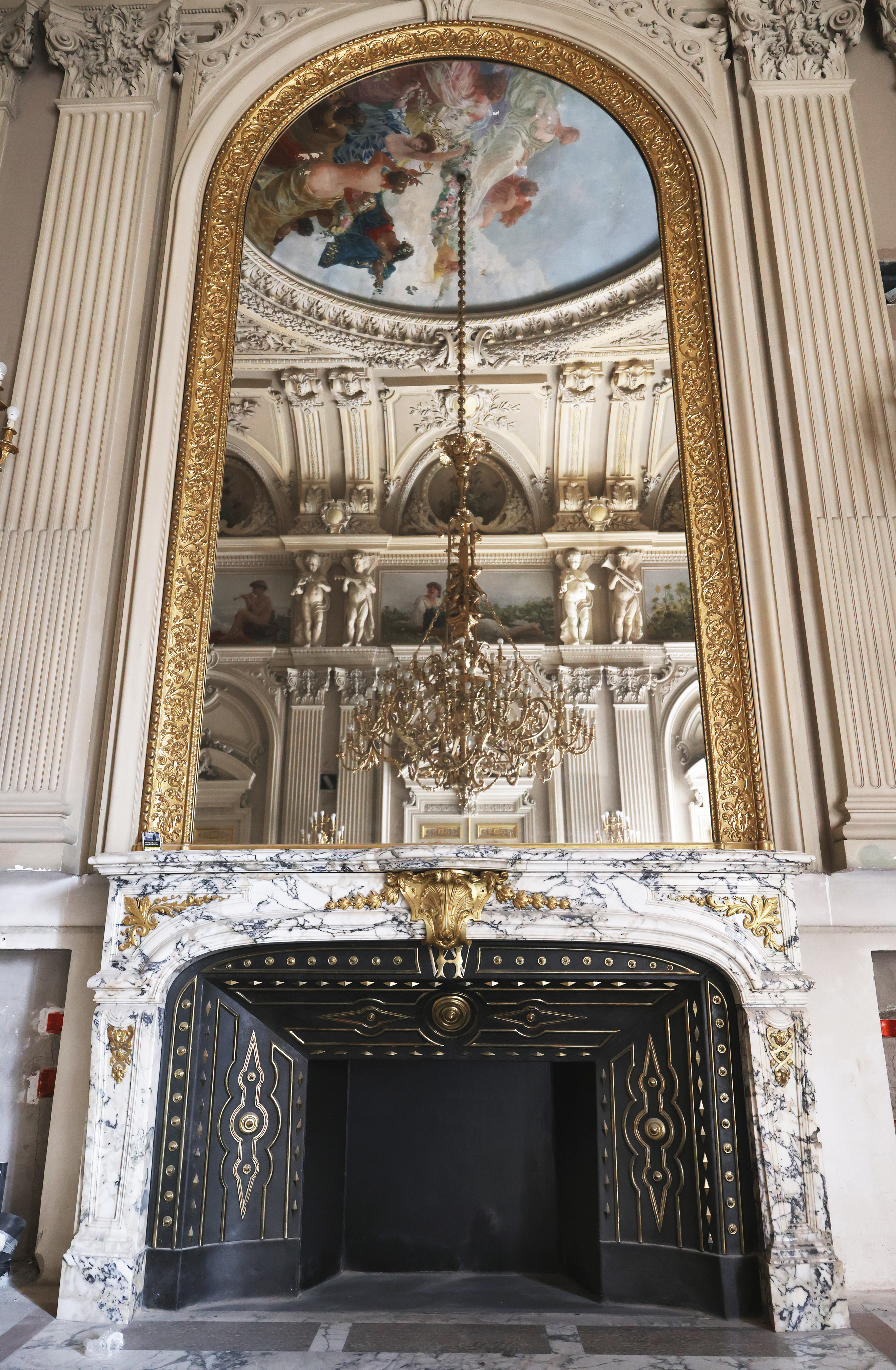 Specchiera e camino - Salone delle feste Villa Hüffer
 -
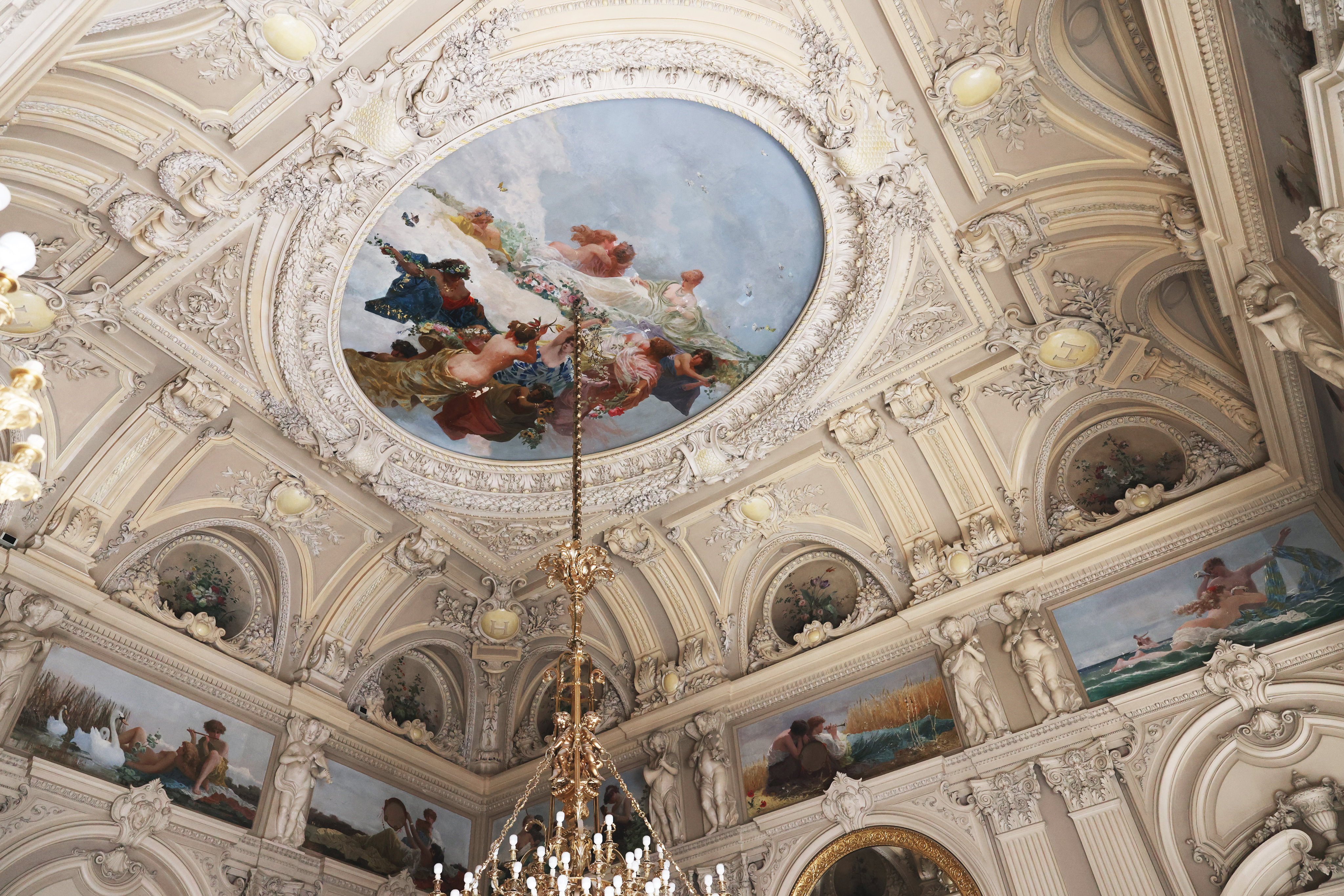 Soffitto - Salone delle feste Villa Hüffer
 -
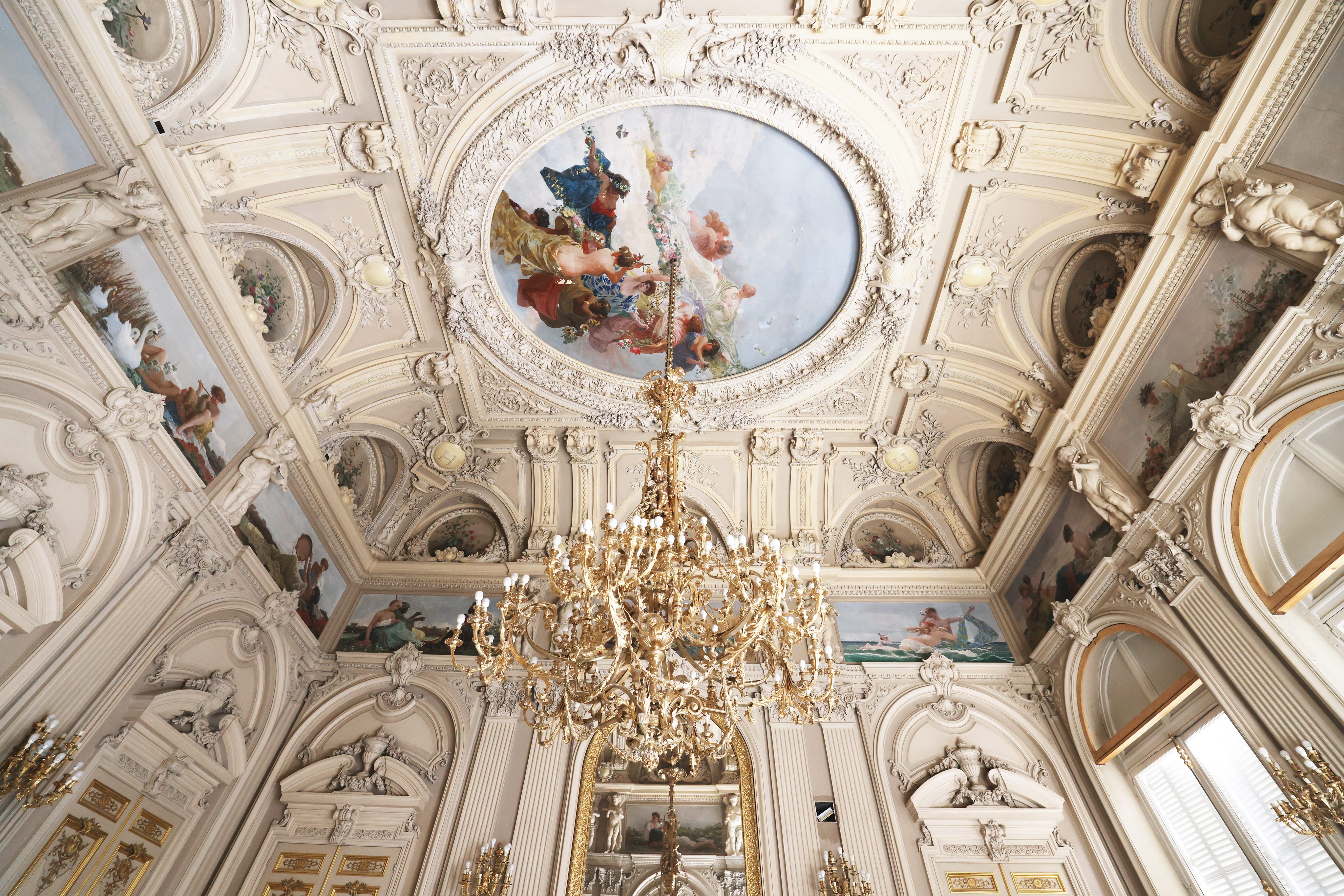 Soffitto - Salone delle feste Villa Hüffer