
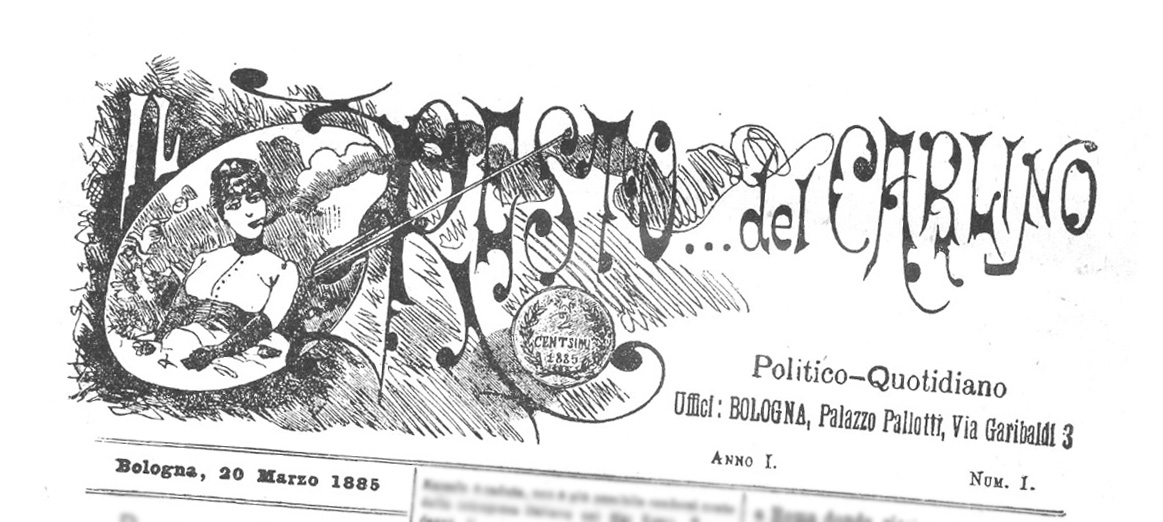
Figure 1. The masthead of the first issue of Il Resto... del Carlino (20 March 1885) designed by Giacomo Lolli
The first issue of Il Resto del Carlino came out in Bologna on 20 March 1885. It was a new daily paper, and its name is a happy reminder of past times, a throwback to daily life in Bologna in the late 19th century. The name of the paper was inspired by a popular local expression: giving someone 'il resto del carlino' was to respond tit for tat, to poke fun at the powerful or to teach someone a lesson for acting wrongly. It was, accordingly, both terse in style and sharp and direct.
In their inaugural piece, the editors explained they had wished to create a newspaper that would be lively, cheap and direct, written 'for people who need or wish to read up on the news and events, and have no taste for rhetorical flourishes or unnecessary, rambling digressions.' It was a newspaper for ordinary people, for those who'd start their day wondering 'what's new?' and might get the updates on the news of the day from their tobacconist's 'where they could buy their first cigar of the day' with the paper 'And all for the price of Two Cents'.
The price of the newspaper is, in fact, the second reason for the paper's title. The carlino was a silver coin worth 5 bolognini, used in the Papal States from the 13th century until 1796. After Italian unification and the introduction of the lira as the new currency, the 10-cent coin continued to be called a 'carlino' in Bologna. If you bought an 8-cent cigar and paid with a carlino, the change would be 2 cents, which was exactly the cost of the new newspaper. So, with the change ('resto', in Italian) from their carlino people could get their daily newspaper.
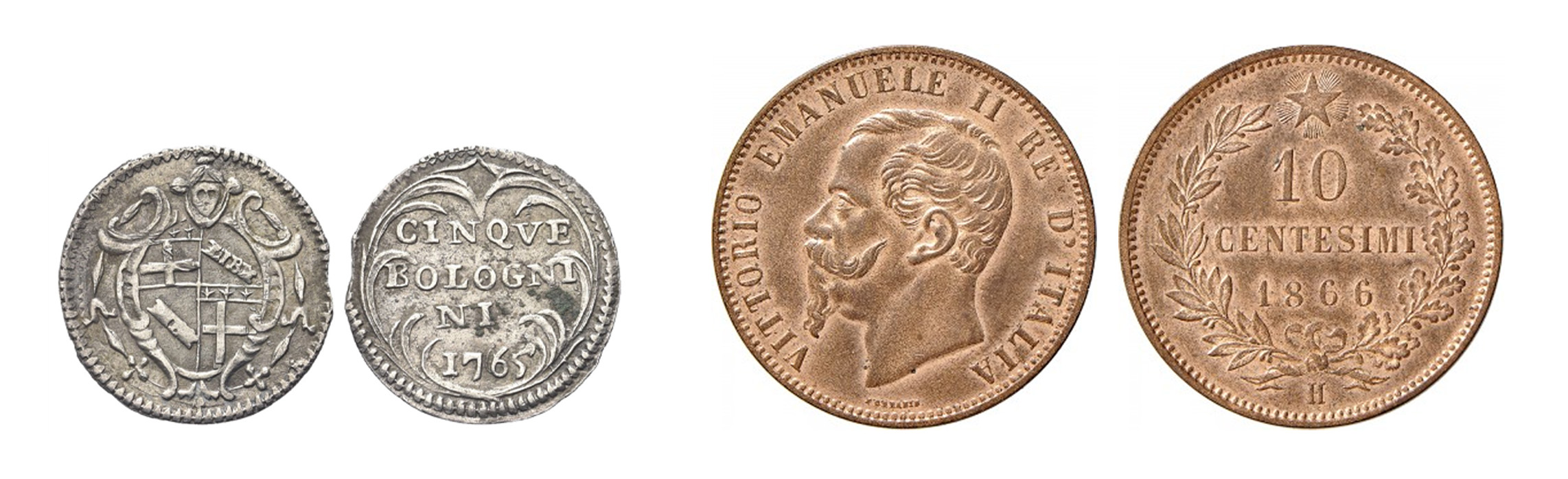
Figure 2. Carlino worth 5 'bolognini' from 1765 (left, © numismaticararanieri.it); 10 lira cents from 1866 (right, © numispedia.it)
The newspaper's masthead was designed by Giacomo Lolli and depicted a lady smoking a cigar and holding a 2-cent coin, visually linking the newspaper's name with tobacconist stores and the everyday act of buying a cigar. This combination worked well for shopkeepers, who could nudge their customers to buy the newspaper together with a cigar.
The name was not an entirely new idea: there had already been a newspaper called Il Resto al Sigaro (the change from the cigar) in Florence, which is partly echoed in the name of the Bologna paper. However, the use of a local phrase and the pun on the coin gave a unique ring to the title, which is still remembered today. The paper's witty name is an example of how a popular daily might become entrenched in popular culture, speak the language of common people and add a bit of substance to everyday habits.
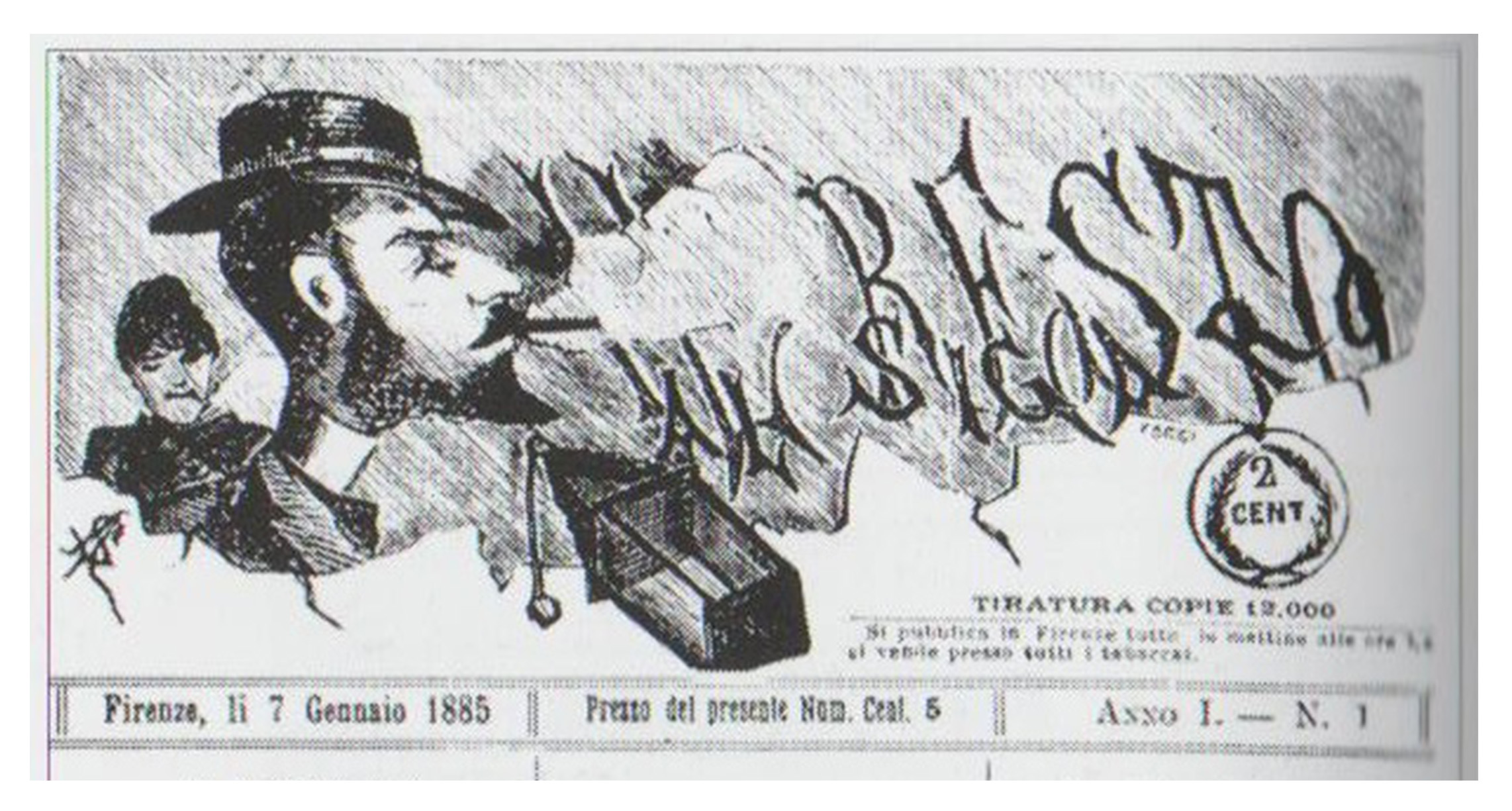
Figure 3. Masthead of the first issue of Il Resto al Sigaro (7 January 1885)