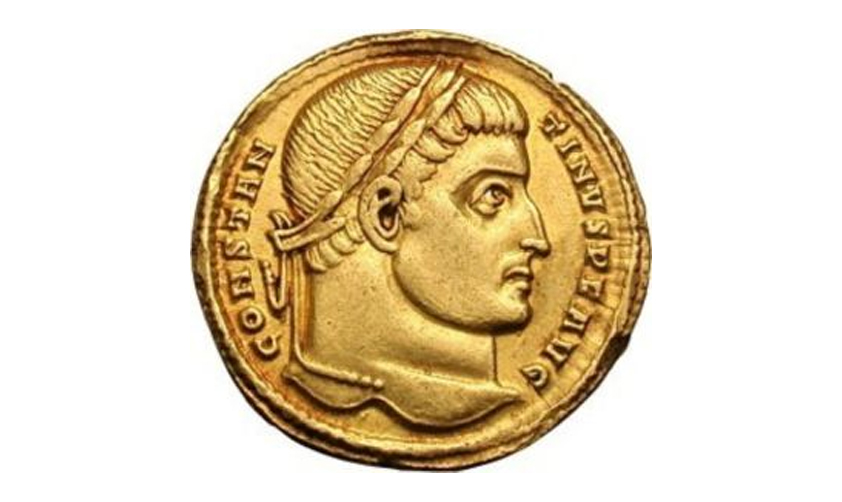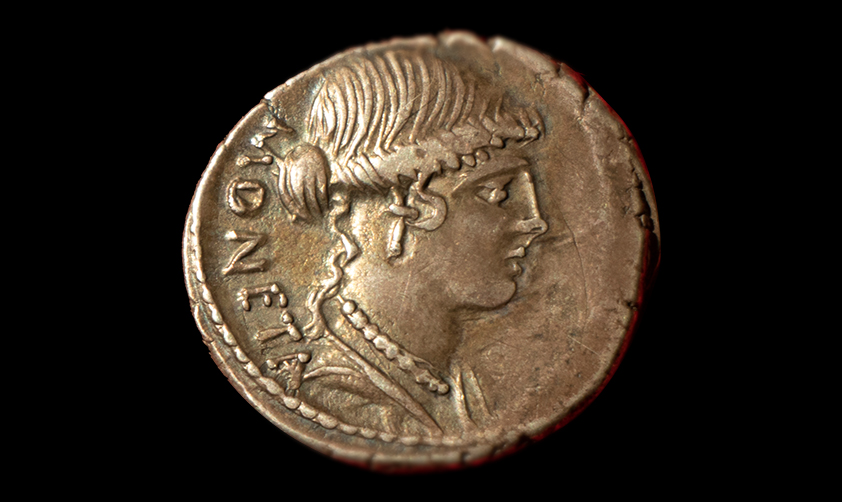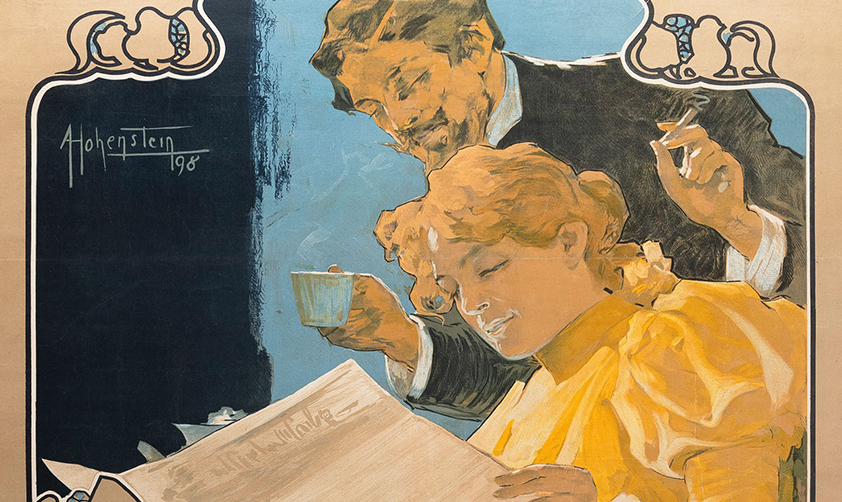

Loans from French, which linguists call Gallicisms, are one of the largest groups of foreign words to have entered the Italian language. Overall, they account for about 3.9 per cent of Italian vocabulary. If we focus on basic vocabulary alone, i.e. the most commonly used words, the share exceeds 7 per cent, which is an even higher percentage than Anglicisms (about 2.8 per cent). French borrowings therefore have a quantitatively significant influence, stratified over time and deeply integrated into everyday use.
The category includes both borrowings typically deriving from Old French (i.e. loans from langue d'oïl), and Provençalisms (or Occitanisms), derived from langue d'oc. Without going into reciprocal linguistic influences - which partly reflect the importance of Italian culture in France during the Renaissance - the influence of French on Italian lasted longer and had two particularly intense phases: between the 13th and the first half of the 14th centuries, and between the end of the 17 th and the early 20 th centuries.
There are many reasons for this contamination. Apart from territorial proximity, the Italian peninsula went through several periods of domination, starting with the Carolingians, Normans and Angevins in the South, then the post-revolutionary wave and the Napoleonic campaigns, which swept through the entire territory. Alongside these political and institutional factors, economics and trade played a key role. In medieval times, trade was already a powerful vehicle of linguistic exchange, both through the circulation of textbooks on commerce and because Italian merchants needed to communicate with their counterparts abroad and identify goods and the exchange techniques and instruments quickly. In the 'Adventure of Money' section of MUDEM we will see how the interests of Francesco Datini, the great merchant from Prato who was active between the late 14 th and early 15 th centuries, largely ran along the Italy-France axis.
These close ties between the Italian peninsula and France are embodied in the system of routes forming the 'via Francigena' - literally meaning the road 'generated by the Franks'. Those roads connected Rome with the heart of the trans-Alpine world and reached as far as Canterbury, serving not just pilgrims and merchants, but acting as a channel for cultural and linguistic exchanges.
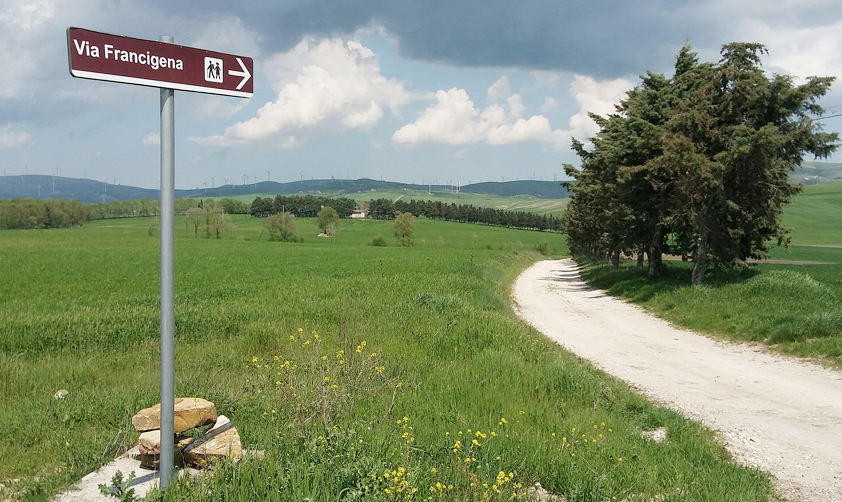
Figure 1. The Via Francigena in Ariano Irpino (© ALC - Source: Wikimedia Commons)
The very common Italian name Francesco also can be traced back to these relations. It comes from the medieval Latin Franciscus, which carried the dual meaning of being francus ('free') and of being one of the Franks, i.e. 'French'. The name owes its great popularity to St Francis of Assisi, who lived at the beginning of the 13 th century. His real name wasn't actually Francesco, since his mother had had him baptized Giovanni. It was his father who changed his name, probably because the family was part of the emerging bourgeoisie that owed its fortunes to the cloth trade across the Alps: the name was unusual at that time, but seems to allude to those fruitful economic ties. Dante also alludes to business with France in the 15 th canto of Paradiso, when his forebear Cacciaguida remarks of women in his time that 'none [was] as yet deserted in her bed for France' by husbands on long commercial journeys to France.
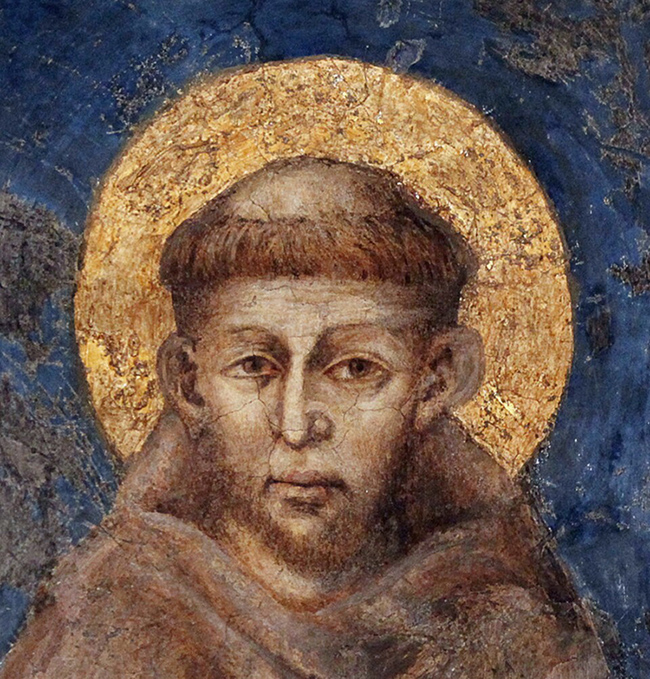
Figure 2. St Francis of Assisi (Source: Wikimedia Commons)
Numerous Italian words that are still in use today come from the vocabulary of those merchants. Derrata (from the Old French word denrée): it originated from denariata in Latin, derived from denarius (a coin) and literally meaning 'that which could be bought with a coin'. Profitto (and 'profit') came from the French profit (from the Latin profectus, meaning 'progress, profit'). The old Italian detta, ('debt') came from the French dette, whereas the forms quitare or chitare, 'to free from a debt', were derived from the Old French quiter ('free from an obligation'); hence also quitanza, chitanza and quietanza, which is the receipt of payment that creditors issue to their debtors.
Curiously, the Italian for 'tip', mancia, comes from the Old French word manche, meaning 'sleeve'. The term seems to date back to medieval tournaments, when ladies would donate a sleeve from their dress to the knight they favoured as a token of their love and as a good luck charm for the tournament. Knights then tied the sleeve to the shoulder of their armour, and it would flutter in the breeze like a flag.
From the second half of the 17th century, France became the centre of European culture, politics and economy, with a gradual shift away from Spanish pre-eminence. With the Italian peninsula fragmented and politically weak, a mania for all things gallic held sway with the local aristocracies and bourgeoisie, particularly in areas such as the military, clothing, gastronomy, and home furnishings and domestic life, but also left a deep imprint on intellectual life, shaping politics and government administration, philosophy, and the social sciences.
Italian took several economic terms from French, such as agiotage (stockjobbing), compte courant (current account), malversation (embezzlement), manifacture, procès-verbal (minutes),[1] and the words 'commerce', 'accounts' (and accounts-office; from compter, 'to count'). There were also curious derivations, such as burò, from the French bureau, 'office', from which the via de' Burrò in Rome, in its central Colonna district, took its name as a vulgarized form of the Customs house set up there during the Napoleonic period.
More generally, French became the leading language of diplomacy and European culture, especially in the 17th to 19th centuries, before English took over. Following the treaty of Rastatt in 1714 (which ended the War of the Spanish Succession and significantly redrew the map of Europe), French replaced Latin as the language for drafting international treaties. French was also the language used at the Congress of Vienna, which ended the phase of the earlier revolutionary movements and Napoleonic conquests. It was the sole language of diplomacy up to the Treaty of Versailles in 1919, which was drafted in both French and English, symbolically marking the shift from one to the other. French remains one of the official languages for many international organizations, such as the United Nations (UN), the United Nations Educational, Scientific and Cultural Organization (UNESCO), the International Olympic Committee (IOC) and the North Atlantic Treaty Organization (NATO).
Linguistic contamination also produced a number of pseudo-derivations over time, where words were borrowed from French into Italian but used in different or more specialized meanings. One famous instance is bidet, which originally meant 'small horse' and was a French invention of the late 17th-early 18th centuries, whose name was borrowed for the new bathroom fixture. One curious fact is that the French royals themselves introduced one of the first bidets to Italy when Princess Maria Carolina of Austria, wife of Ferdinand IV of Bourbon, had one installed at the Royal Palace of Caserta in the second half of the 18th century, where it can still be seen today. It was an unusual and quite unique appliance for its time, later described by the Savoy royal family in their documents as a 'strange object in the form of a guitar'.
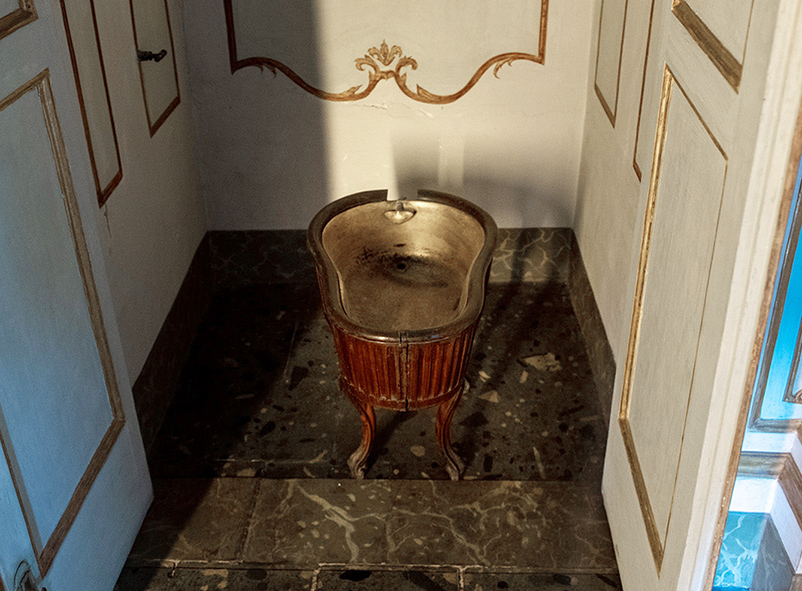
Figure 3. The bidet at the Royal Palace of Caserta, installed by order of Princess Maria Carolina of Austria, wife of Ferdinand IV of Bourbon (Source: Royal Palace of Caserta, X account)
Something similar also occurred with the words garage, literally 'to shelter', and, in the field of banks and money, caveau, which is the Italian word used for the underground security premises that banks use for the custody of securities and valuables. Derived from cave, 'quarry', the term originally indicated a cellar or underground premise, or a cave.
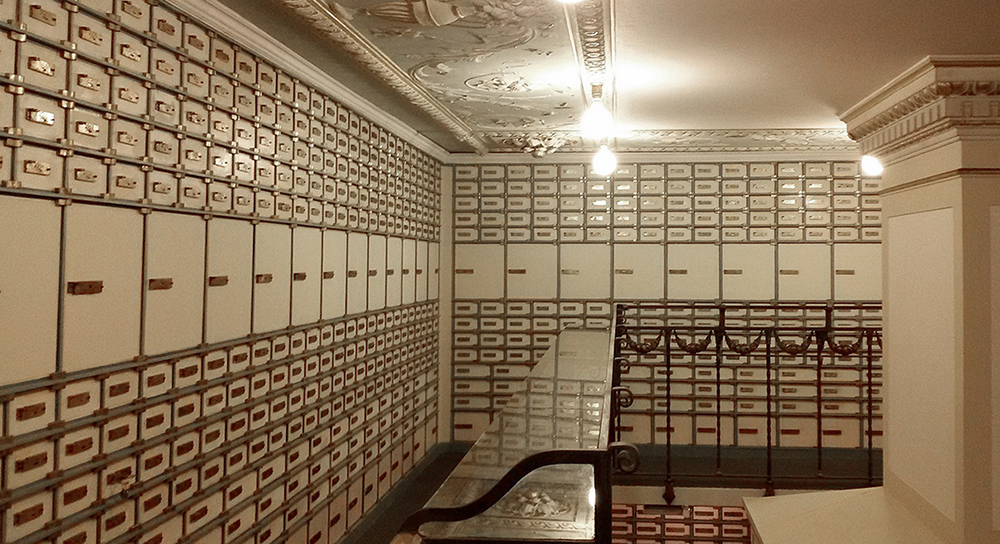
Figure 4. Banca d'Italia's Genoa branch vault (© Postcrosser - Source: Wikimedia Commons)
In the post WWII period, cave was also the word for the (premises of the) Saint-Germain-des-Prés Caves, where jazz was played and intellectuals such as Jean-Paul Sartre, Simone de Beauvoir, Albert Camus and Juliette Greco would gather.
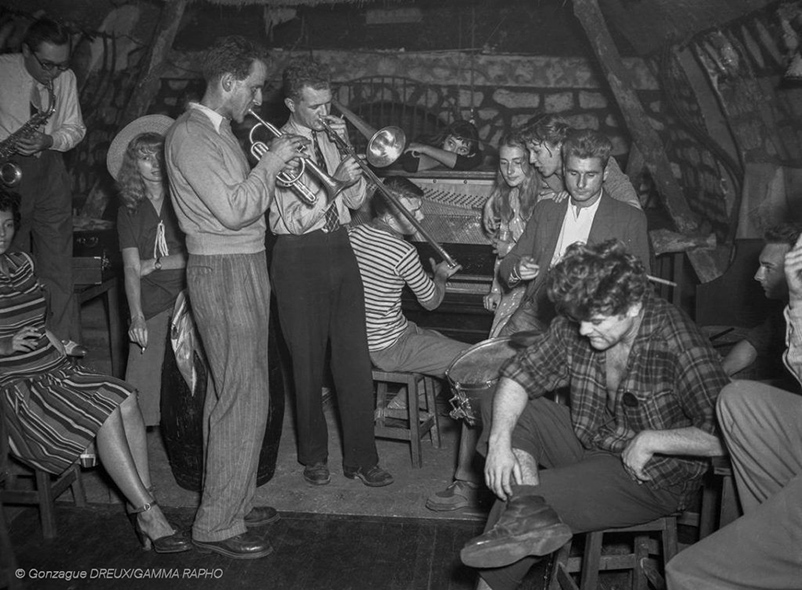
Figure 5. Boris Vian and his jazz orchestra at the Le Tabou club in 1947, in Saint-Germain-des-Prés, Paris. In the background, Juliette Gréco and Anne-Marie Cazalis (© Gonzague DREUX / GAMMA RAPHO. Source: Le Figaro, À Paris, le jazz illumine la Libération)
In all these cases, words can tell a story of material and symbolic exchanges involving goods, money, institutions, social practices and cultural phenomena. Words travel together with business, and Gallicisms are a lasting and visible record of this in the Italian language.