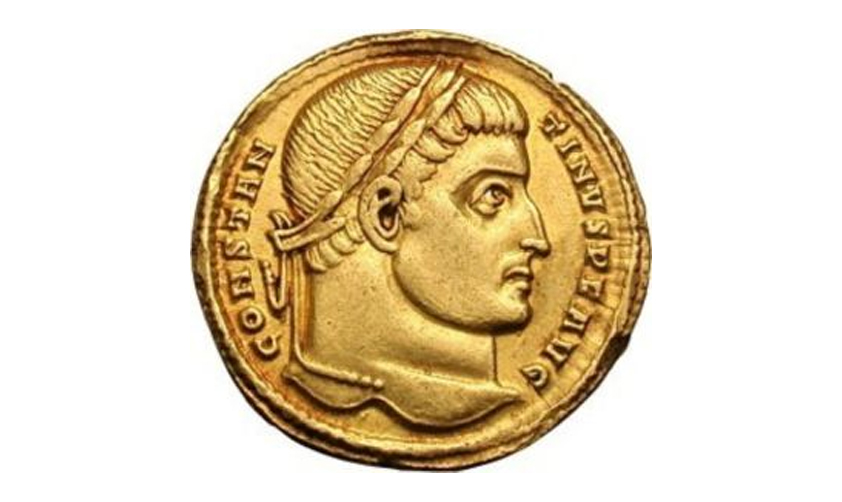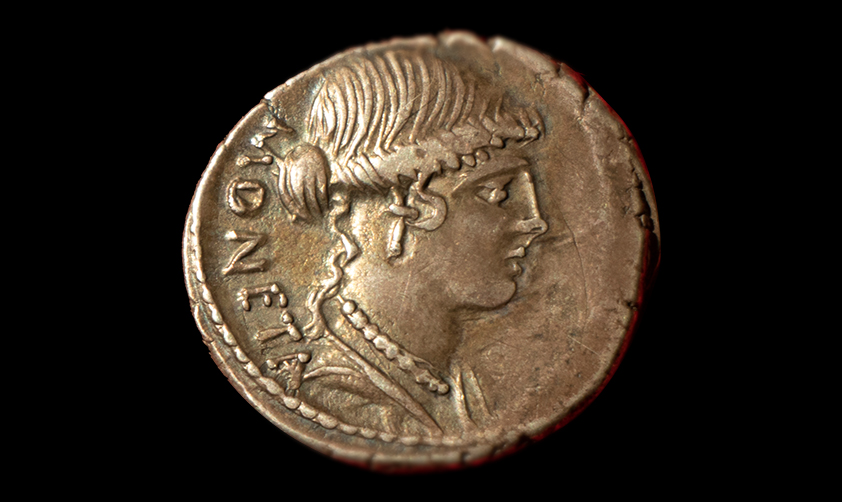

The pervasive influence of English on contemporary Italian might suggest that many of the specialist words used in economics are of Anglo-Saxon origin, such as credit, debit, bank, tariff and policy. Quite the opposite is true, in fact. In mediaeval and Renaissance times, Italy enjoyed a position of dominance in finance and trade which then left a considerable and very clear lexical imprint in all modern European languages. The lexicons of arithmetics, economics and commerce are full of italianisms - words that originated in the Italian language (or rather, in the vernaculars once spoken in Italy) and were later picked up by other European languages, through trade and in merchants' branches abroad. These words have spread internationally and refer to some of the concepts, institutions and instruments on which modern economic science is based. The background to this outcome was the extraordinary development of Italian mercantile civilization between the 13th and 15th centuries, when completely novel methods and institutions emerged. Crucially, these techniques were also set down in writing - from Luca Pacioli's late 15th century Summa de Arithmetica to some 16th century treatises.
One of the earliest lexical borrowings from Italian into English was, for instance, lombard or lombart, which indicated the inhabitants of the northern Italy (and could extend to Italians in general). In 14th century English, the word also took on the meaning of 'merchant', as well as the less noble sense of 'usurer', and the importance of these commercial links is reflected in the presence of a Lombard Street in London. The street name is descended from the first Lombard family (the Caursini) to settle in London during the reign of Edward II. The Caursini were soon joined by other families from the region. These families formed a group of bankers and pawnbrokers, whose symbol (three golden balls, echoing the Medici coat of arms) became the emblem of pawnshops (see the picture 1).

It is also interesting to note that after Luca Pacioli first formalized double entry bookkeeping, it was cited as an expressly Italian system by authors outside Italy between the end of the 17th and the beginning of the 18th century. We see this in the titles of works composed by scholars and entrepreneurs such as the Italian Pietro Paolo Scali, the Frenchman Samuel Ricard or the Englishman Hustcraft Stephens[1].
Here are a number of words that were also borrowed from Italian into other languages in ancient times, and then returned (mainly from English) with a modern meaning. Linguists call these forms 'return horses'.
The English word computer, now incorporated into almost every language in the world, is an Anglicism dating back to medieval arithmetics. It comes from the late Latin verb computare, which ancient Italian preserved unchanged, before it became contare in later Italian, meaning 'to count, to perform operations and calculations'. The modern term is thus of romance origin and should be understood in its meaning of 'electronic calculator'. Pacioli used the term 'computista' for someone who was skilled at calculation techniques, and recommended that merchants and financial traders should be 'buon ragionieri e prompto computista' (good at mathematics and proficient with calculations). Besides, in the relatively recent pre-digital era, students in commercial technical institutes would use accounting exercise books for their schoolwork, called quaderni di computisteria in Italian.
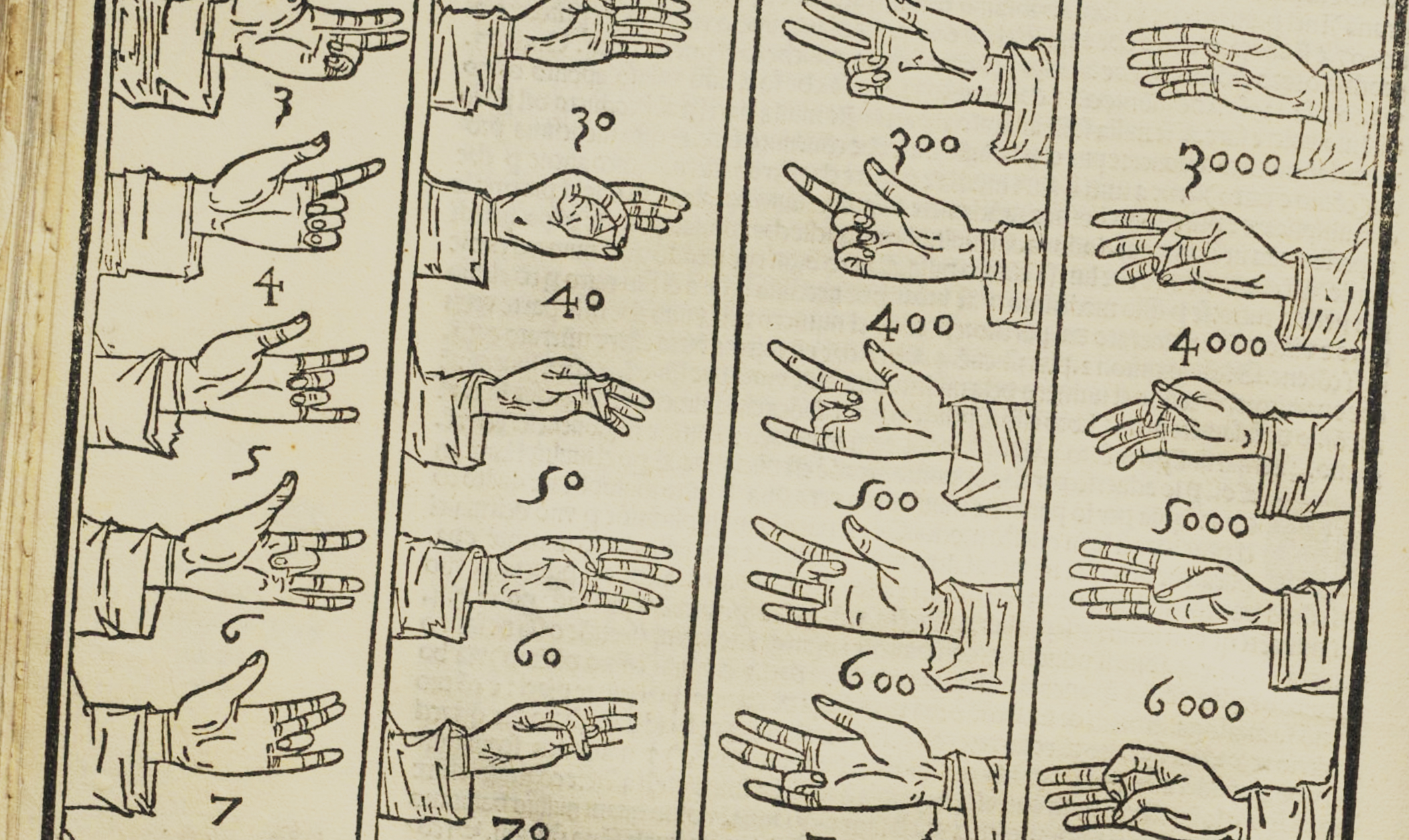
Indigitazione was instead an old Italian word for the techniques for manual calculations, using one's fingers, and derived from the Latin digitum, meaning 'finger'. In contemporary English, these systems are known as finger-counting or by the word of Greek derivation 'dactylonomy'. Abacus books introduced indigitazione as the first system of calculation, teaching techniques for quick calculations on one's fingers. Hence the English words digit, for 'number', and digital, both relating to 'finger' as the first tool for counting (digital has to do with processing data typically expressed as strings of 0s and 1s in binary code).
Lastly, management derives from the Italian verb maneggiare (and the related noun maneggio), which is based on mano, 'hand', in the sense of 'handling' something. Maneggiare had several meanings indicating skill and dexterity. This would originally have applied to manual activities and then come to define the set of administrative skills needed in trade or running a business. A manager is therefore someone who is good at 'handling' things.